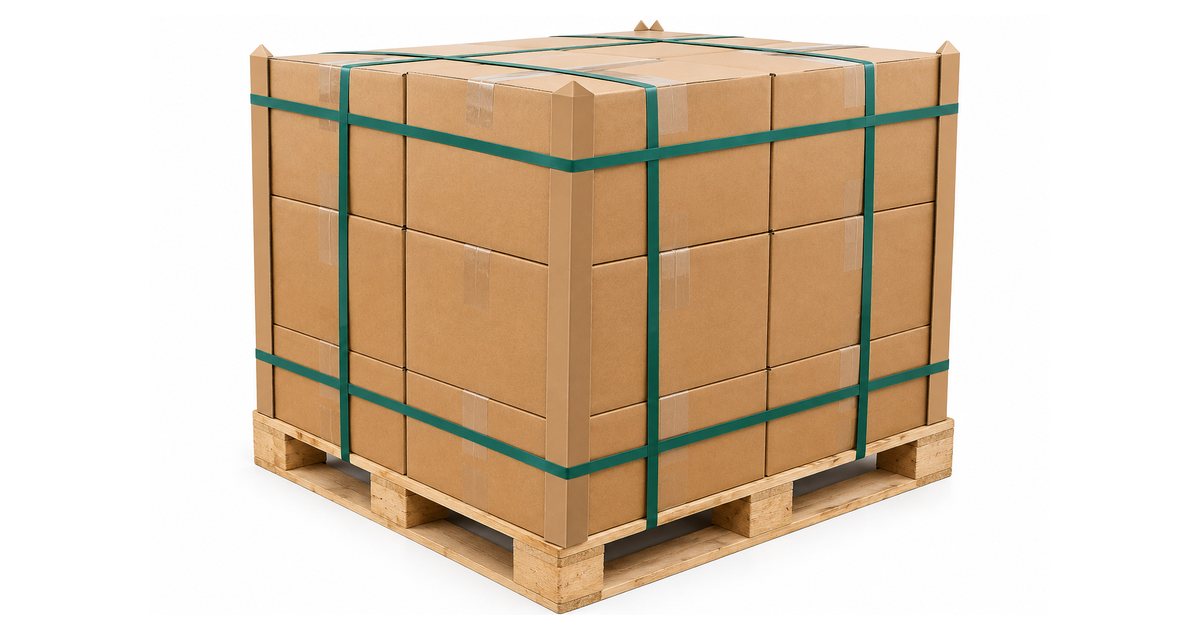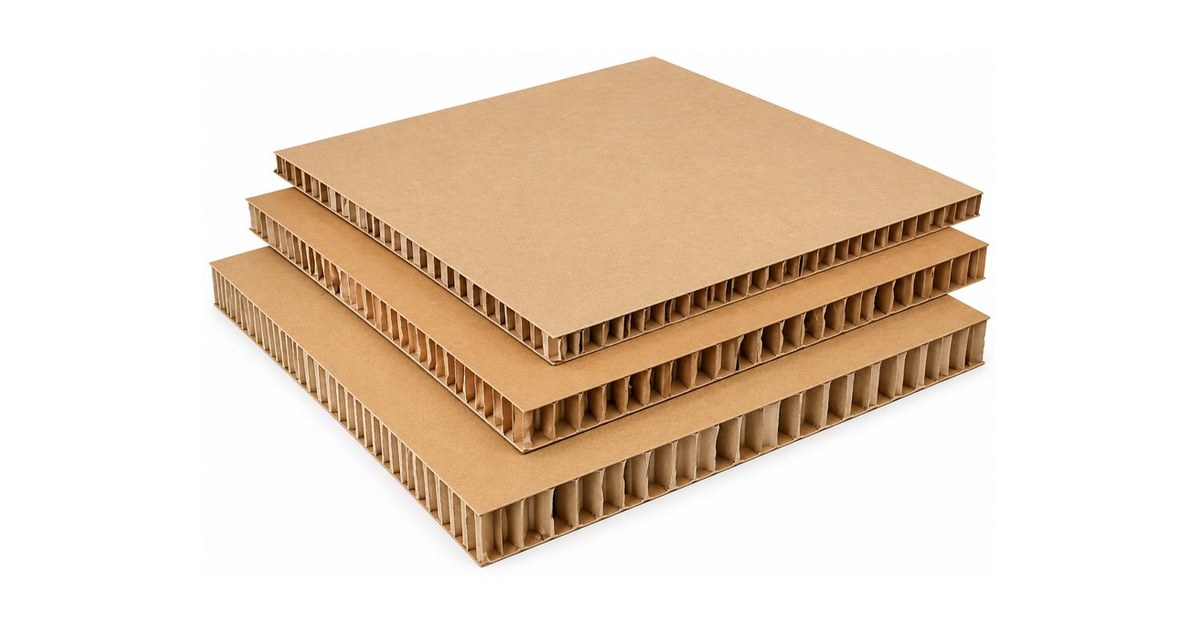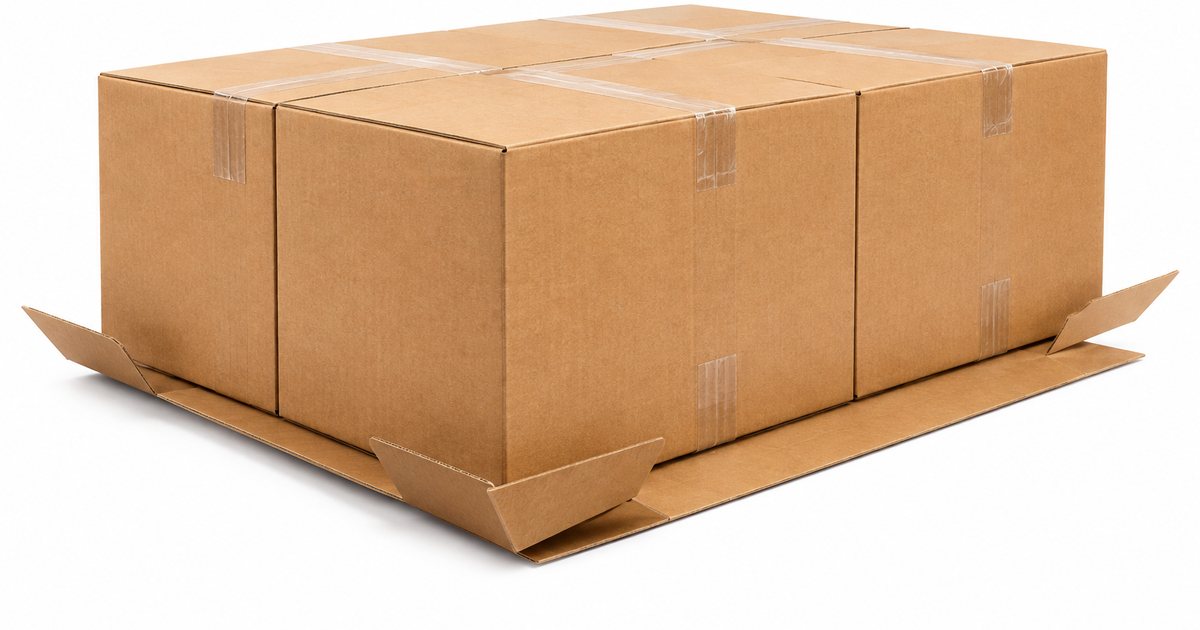
Choosing Slip Sheet Thickness by Load: A Guide for 300–1,500 kg Unit Loads
How to choose paper slip sheet thickness by the weight of one unit load, and the factors that call for a thicker sheet: number of handlings, humidity, stacking and push-pull equipment. With examples and a pre-order checklist.
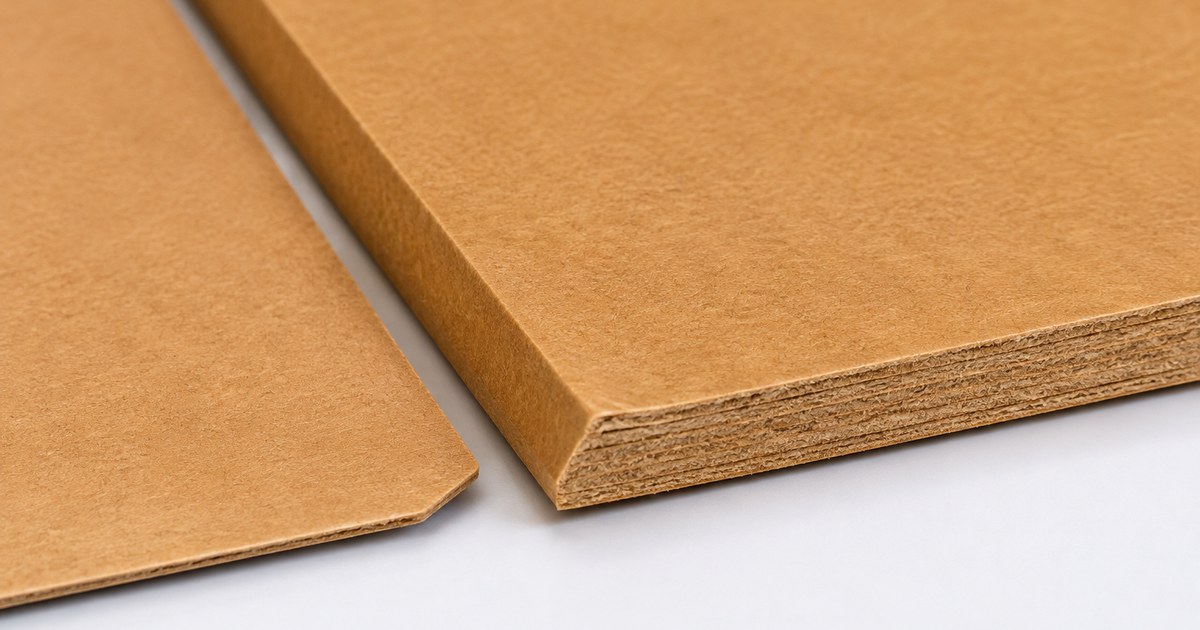
Thickness is the most important spec when ordering paper slip sheets. Too thin and the flap may tear when the push-pull forklift pulls the load; too thick and you pay more for no benefit. This guide helps you choose the right thickness for unit loads from 300 to 1,500 kg. New to slip sheets? Start with What is a paper slip sheet?
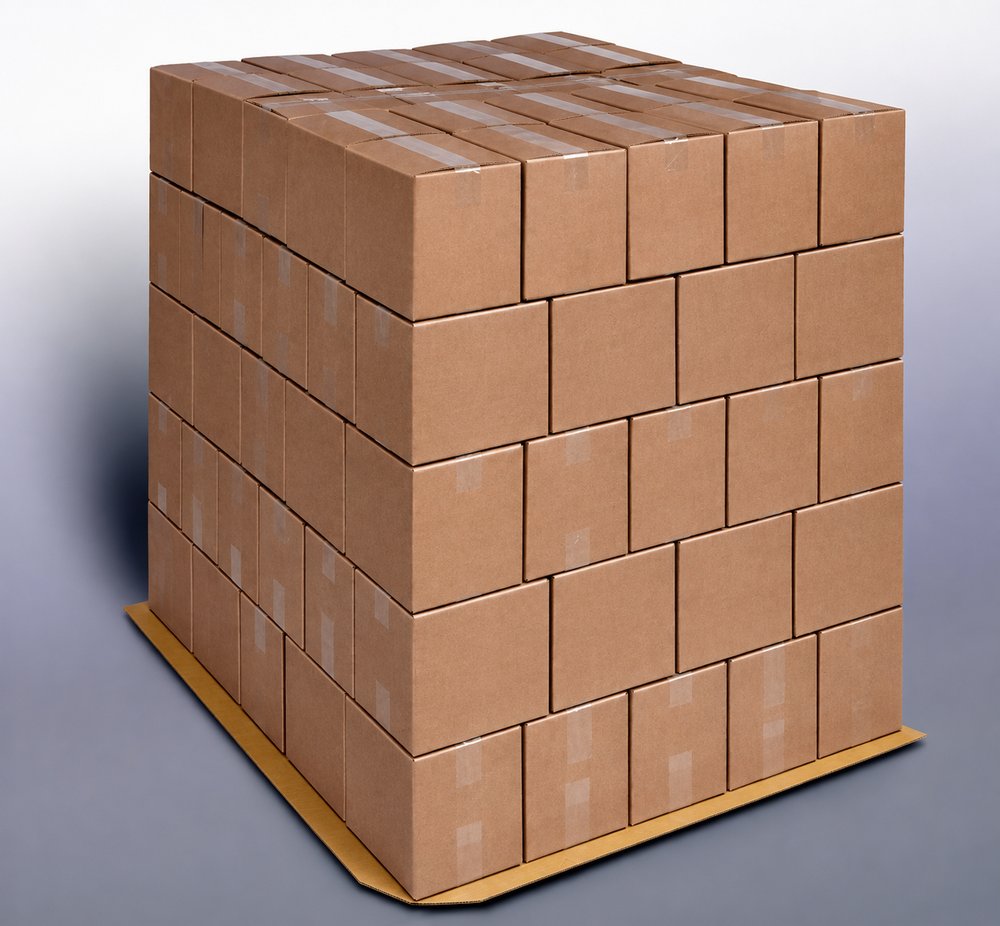
Step 1: Determine the weight of one unit load
A slip sheet carries one unit load, not the whole lot or container. Weigh or calculate:
- Weight of one carton or bag × number of cartons or bags per load.
- Add stretch film, edge protectors and tier sheets if used.
- Use the heaviest load if weights vary.
Step 2: Choose the load class
KOVIF offers paper slip sheets in two load classes:
| Unit load weight | Thickness | Typical goods |
|---|---|---|
| 300–800 kg | 0.6–0.8 mm | Cartons of electronics, components, consumer goods |
| 800–1,500 kg | 0.9–2.0 mm | Bagged fertiliser, resin, agricultural goods; canned food; dense loads |
See models in each class: 300–800 kg slip sheets and 800–1,500 kg slip sheets.
Step 3: Adjust for conditions of use
Weight is only the starting point. The factors below put more stress on the flap, so consider a thicker sheet within the class or the next class up:
| Factor | Why it matters | Suggestion |
|---|---|---|
| Load near the top of the class (e.g. 750–800 kg) | No margin for weight variation or hard pulls | Choose 800–1,500 kg |
| Many handlings (plant → warehouse → port → customer) | Every pull and push stresses the flap | Increase thickness |
| Humid storage, long sea voyages | Paper absorbs moisture and loses stiffness | Increase thickness; ask KOVIF about moisture protection |
| Uneven load base (bags, uneven stacking) | Uneven pressure, tears at contact points | Increase thickness; keep the load base flat |
| High friction with the floor | More pulling force needed to bring the load onto the platens | Increase thickness; check warehouse and container floors |
Conversely, light loads handled only once or twice in dry storage can use the thinner end of the class to save cost.
Examples
- 550 kg load of electronic component cartons, container export, 2 handlings: 300–800 kg class, 0.6–0.8 mm.
- 1,000 kg load of bagged resin: 800–1,500 kg class; the bag base is uneven, so prefer the thicker end of the class.
- 780 kg load of canned food, long sea voyage through several warehouses: near the top of the 300–800 kg class with many handlings, so choose 800–1,500 kg.
These examples illustrate the reasoning. The final spec should be confirmed by a trial with real loads.
Thickness works with flaps and equipment
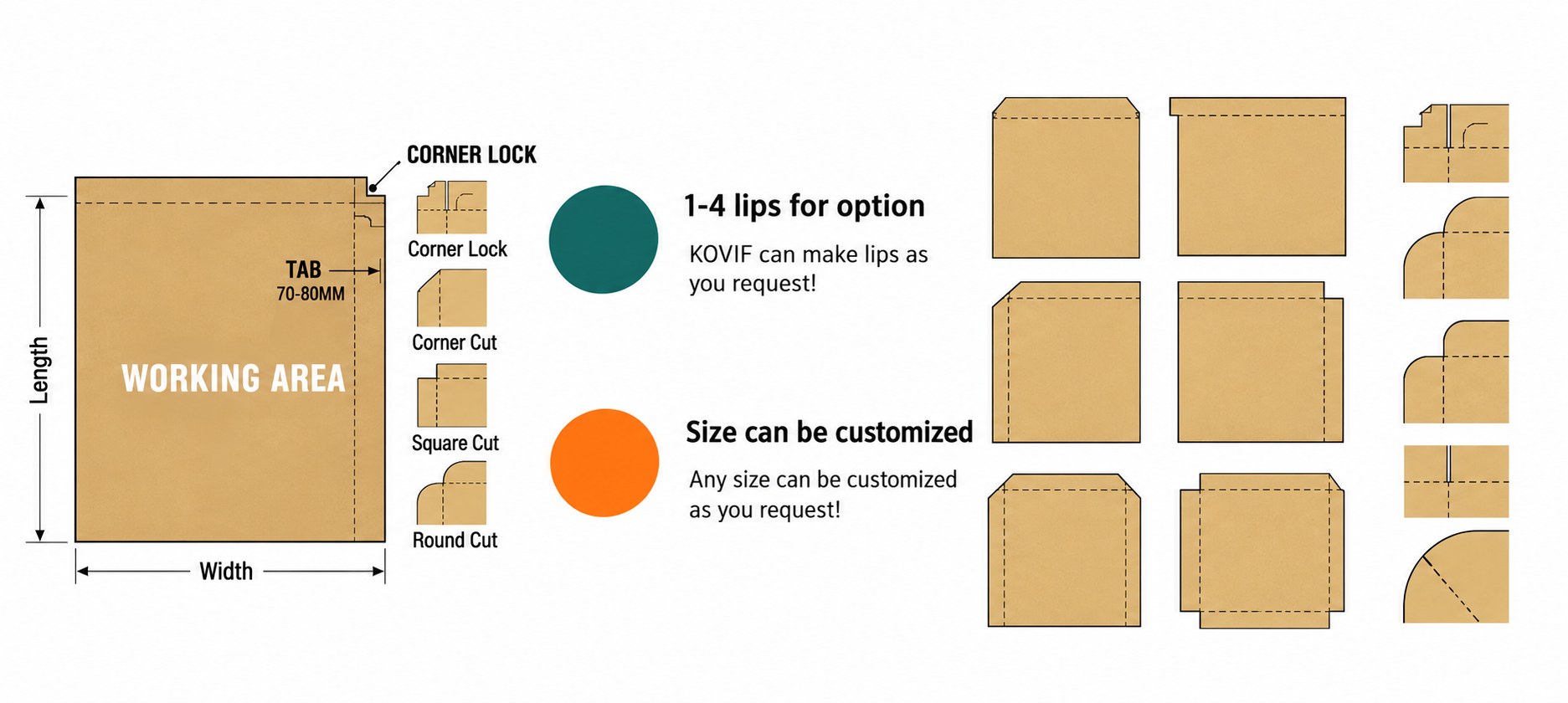
- Flap length, usually 50–100 mm, must match the forklift gripper. A flap that is too short is not gripped deeply enough and may tear even if the sheet is thick.
- A score line lets the flap lift easily for the gripper.
- The push-pull attachment should have its grip force set correctly. See How push-pull forklift attachments work.
Checklist before ordering
- Load base size (length × width, mm) and weight of one unit load.
- Expected number of handlings from plant to customer.
- Storage and transport conditions: dry or humid, length of sea voyage.
- Number, position and length of flaps, and corner type.
- Type of push-pull attachment at both loading and receiving sites.
- Make samples and run a trial before volume orders.
FAQ
Is a thicker slip sheet always better?
Not necessarily. Thicker sheets are stronger but cost more and weigh more. Choose a thickness that is just enough for the load and conditions, then confirm with a trial.
What about loads over 1,500 kg?
Send us your load details and KOVIF will advise. If a paper slip sheet is not suitable, we will say so clearly so you can consider other options.
Can paper slip sheets be used in humid warehouses?
Yes, but choose a thicker sheet and tell us in advance so we can advise on moisture protection. See also plastic vs paper slip sheets.
Can you print a logo or code on slip sheets?
Please state this in your quotation request so KOVIF can check feasibility.
See all 14 models on the Paper Slip Sheets page or request a quotation with your load weight and size and KOVIF will recommend the right thickness.