Switching to Slip Sheets: What Do You Need to Prepare?
Replacing pallets with slip sheets saves space and freight cost – but only if the slip sheets, push-pull equipment, warehouse layout and operators are ready. Here is a 5-step checklist.
Moving from pallets to a slip sheet system for storage and transport requires a few key preparations:
1. Slip sheets and accessories
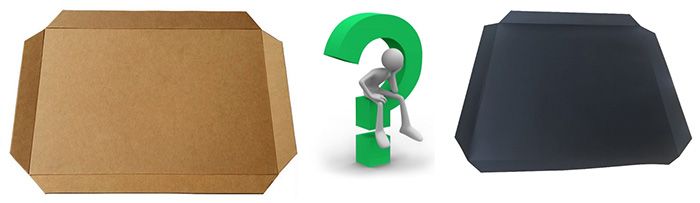
- Slip sheets: thin but rigid sheets of paper or plastic, sized to carry the unit load. They are strong and lightweight.
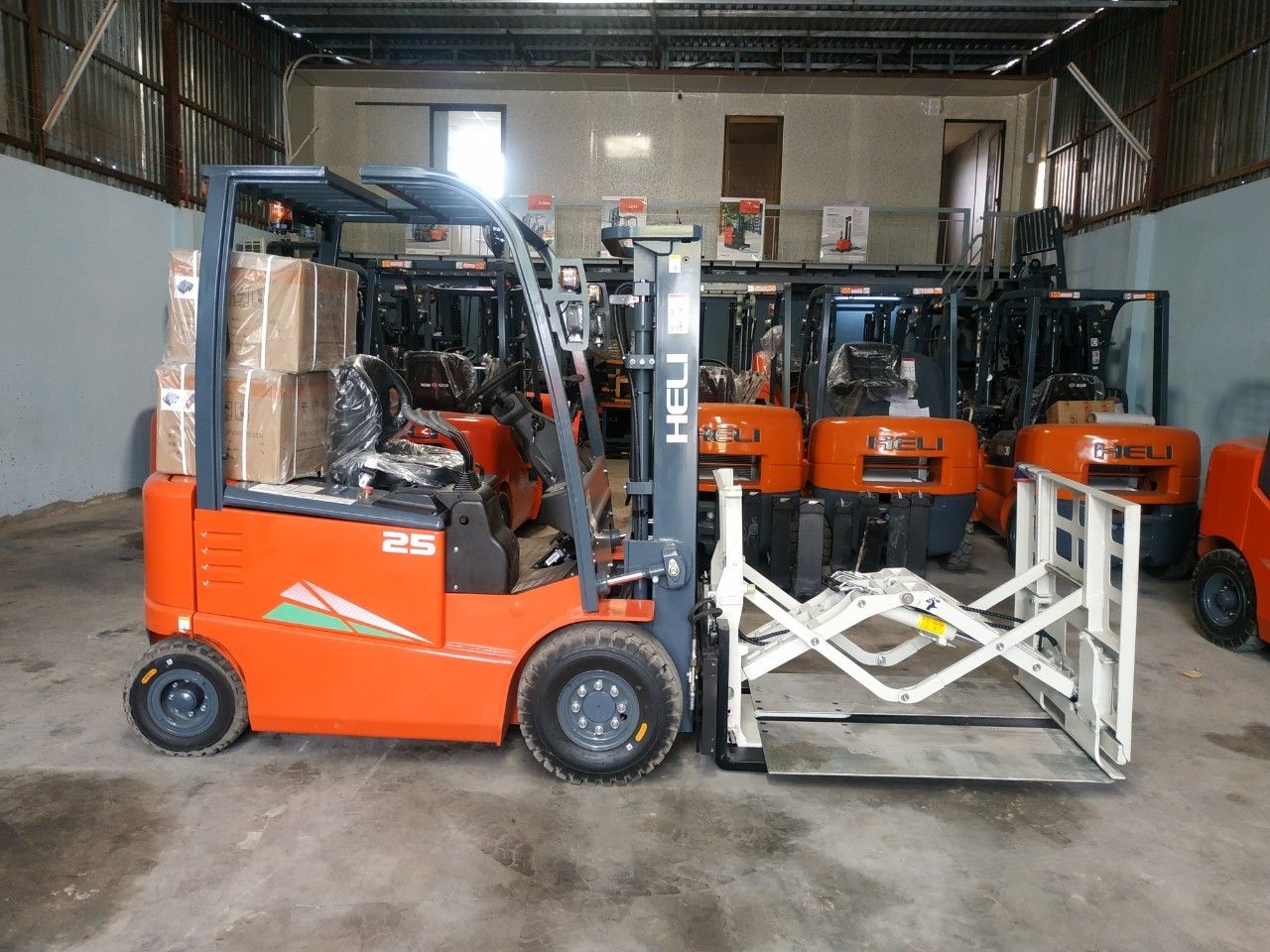
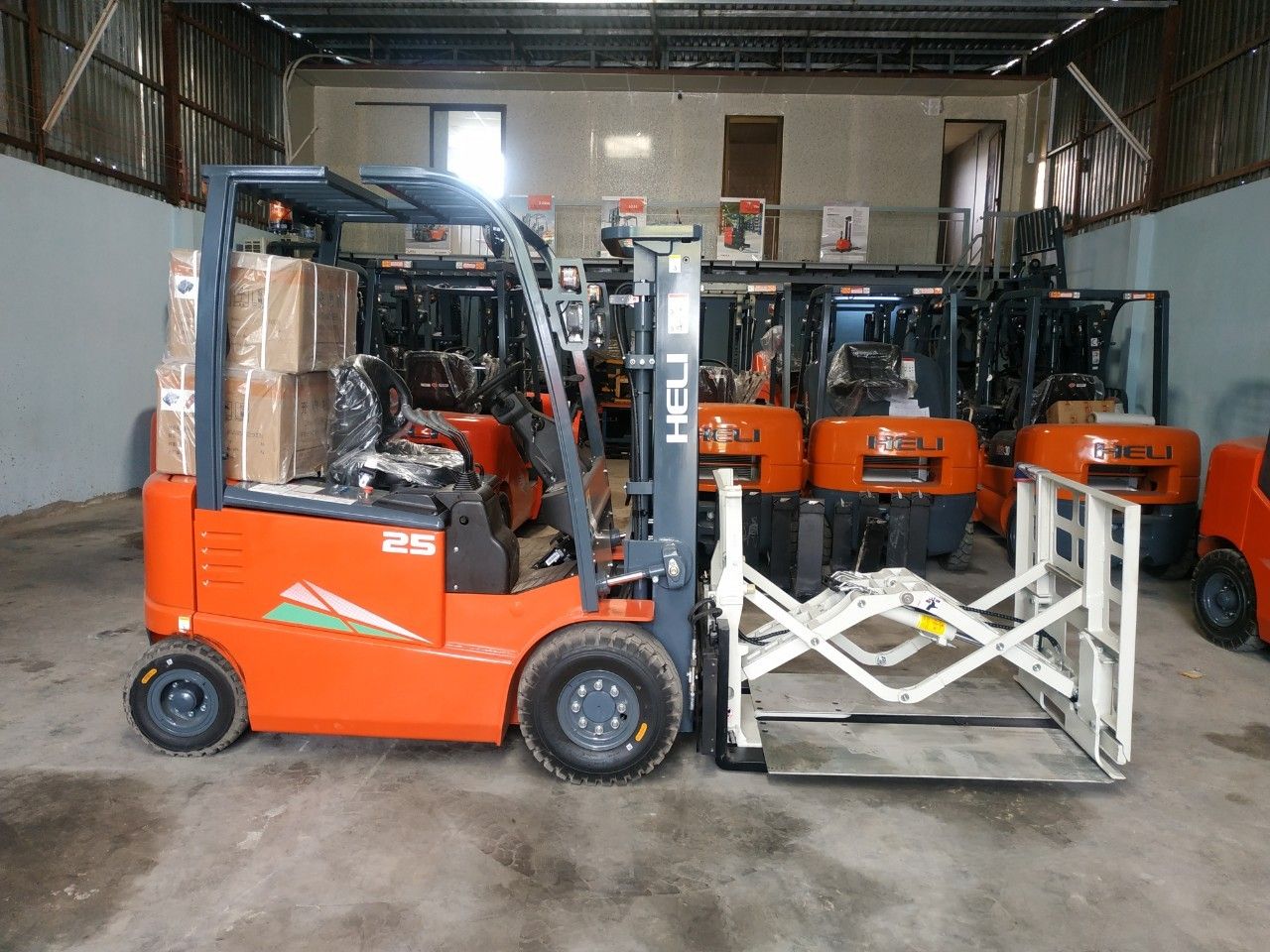
- Push-pull attachment: an attachment fitted to the forklift so it can pick up and move slip sheets. It grips the tab of the slip sheet and pushes or pulls the load on and off the platens.
2. Suitable equipment and layout
- Forklifts fitted with push-pull attachments: if you do not have them yet, budget for suitable forklifts and attachments.
- Racks and storage areas: make sure the warehouse and racking have enough space and a sensible layout for slip-sheet loads.
3. Operator training
- Train forklift drivers to use the push-pull attachment.
- Show staff how to load and unload goods on slip sheets safely and efficiently.
4. Testing and trial runs
- Run checks and trials beforehand to make sure the system works smoothly.
- Make sure goods are secured firmly on the slip sheet and do not shift during transport.
5. Cost and benefit assessment
- Work out the initial investment and compare it with the savings over pallets: slip sheets save space and shipping weight and reduce the amount of wood or plastic used.
Implemented correctly, a slip sheet system optimises space and saves money in the long run.