What Is a Paper Slip Sheet? Structure, Pros and Cons, and How to Choose
A slip sheet is a multi-ply kraft paper sheet that replaces wooden pallets when goods are handled by push-pull forklifts. This guide explains its structure, compares it with wooden pallets and shows how to choose load class and flaps.
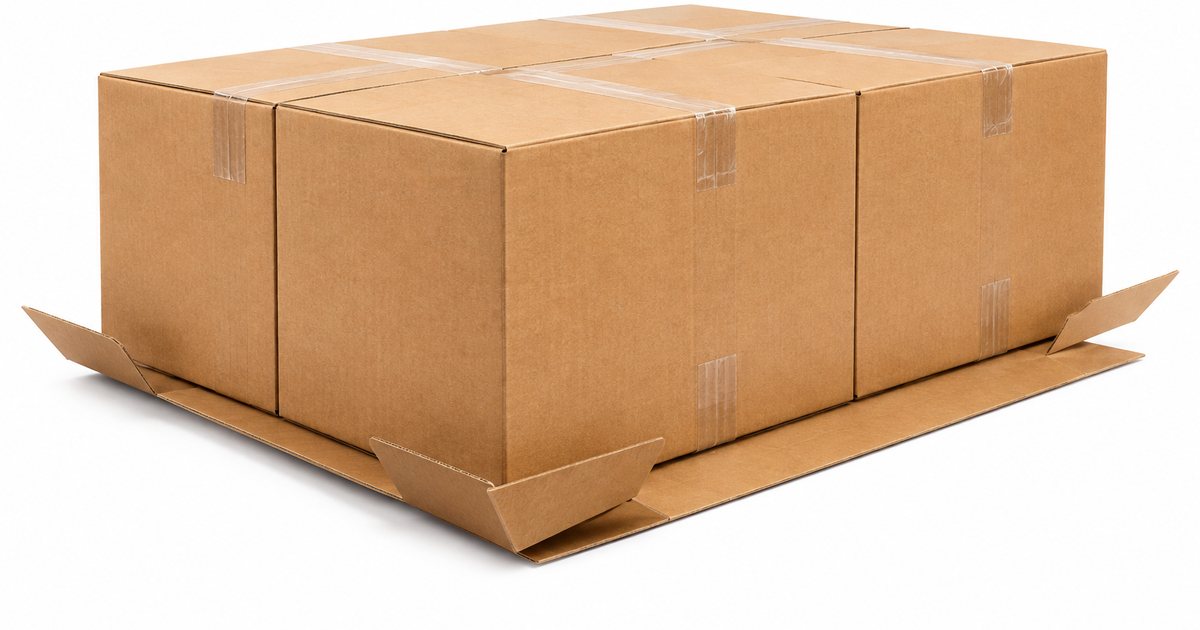
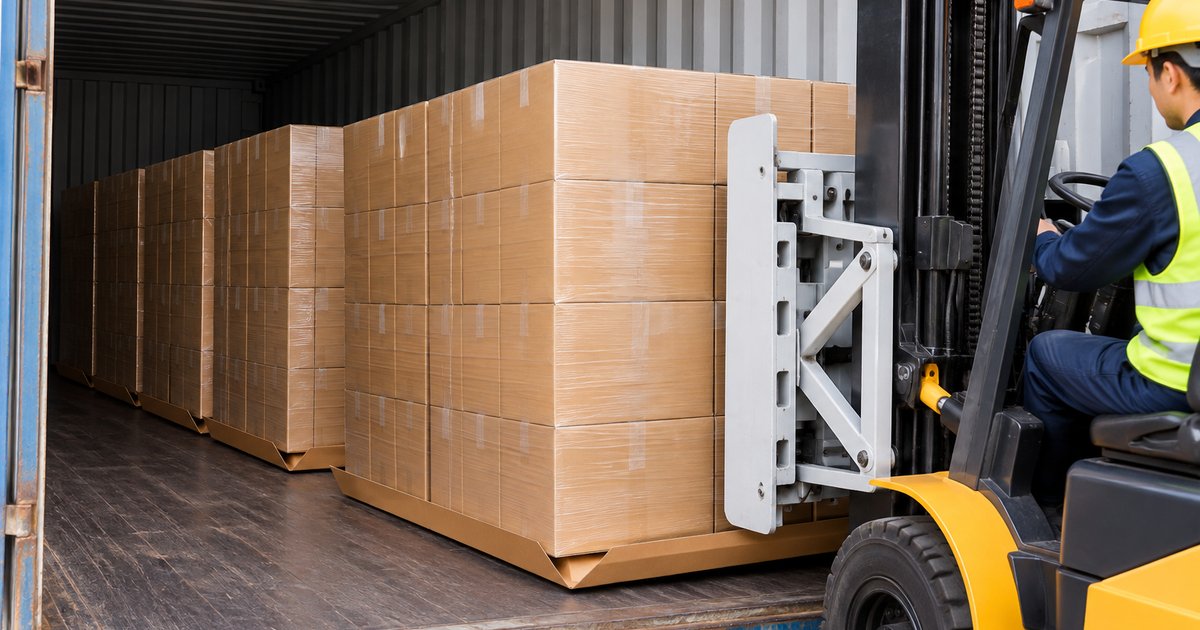
A slip sheet is a multi-ply kraft paper sheet placed under a unit load to replace a wooden pallet in storage and shipping. Instead of forks sliding under a pallet, a forklift fitted with a push-pull attachment grips the slip sheet flap, pulls the load on and pushes it off. This saves container space, reduces packaging weight and removes the need to fumigate wood for export.
Structure of a paper slip sheet
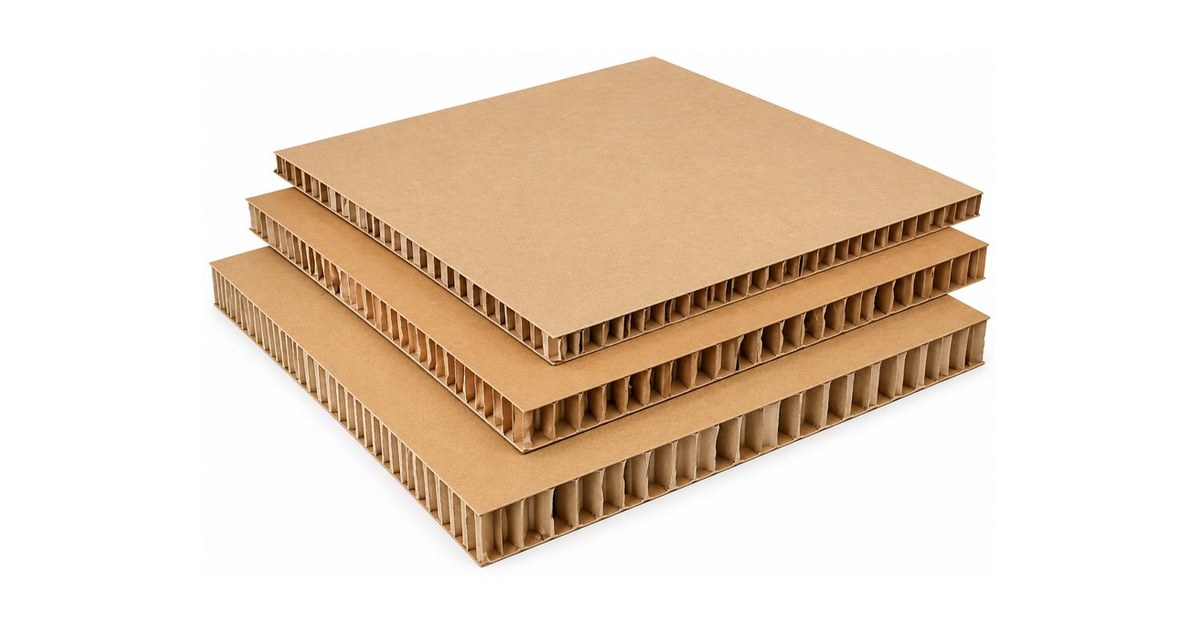
- Material: laminated multi-ply kraft paper, stiff and strong in tension; moisture treatment on request.
- Thickness: chosen by unit load. At KOVIF the 300–800 kg class is 0.6–0.8 mm thick and the 800–1,500 kg class is 0.9–2.0 mm thick.
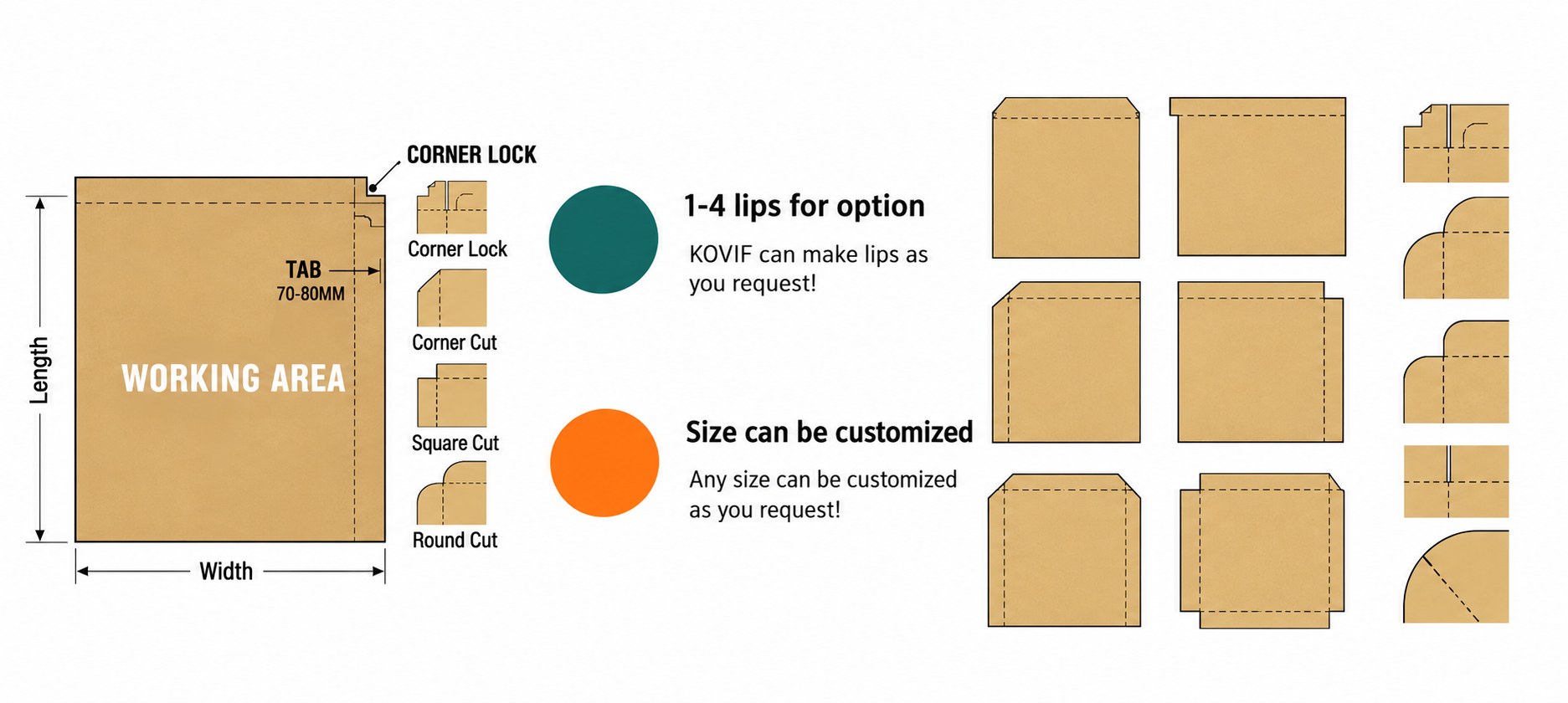
- Flap (lip): an extension on one or more sides for the push-pull gripper, usually 50–100 mm wide. Sheets can have 0, 1, 2 (adjacent or opposite), 3 or 4 flaps.
- Corner type: lock corner (helps form the flap), chamfered, square or rounded, depending on equipment and handling.
- Size: matched to the base of the load; commonly a 1,200 × 1,000 mm (Euro) or 48 × 40 in (US) footprint plus flaps.
How does a slip sheet work?
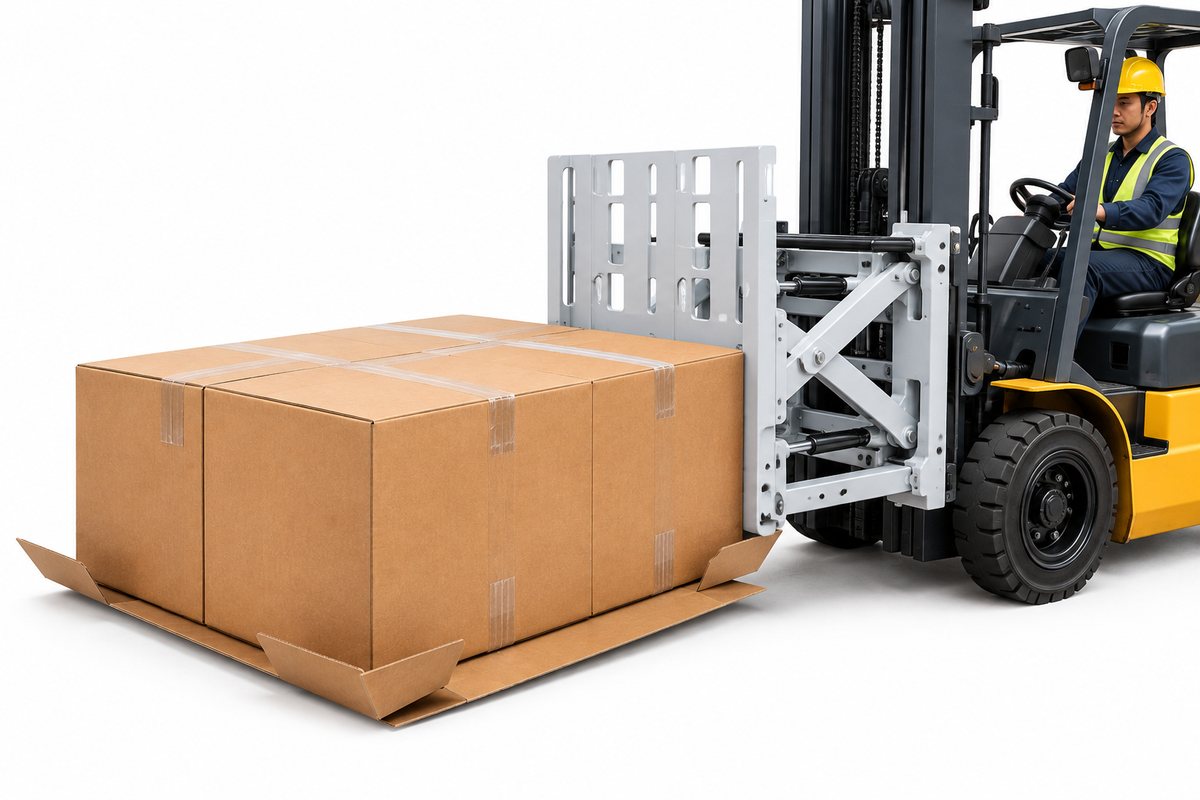
The forklift carries a push-pull attachment with wide platens, a gripper and a push frame. To pick up, the gripper holds the flap and pulls the whole load onto the platens. To set down, the push frame pushes the load off. The attachment can be fitted to a standard forklift, so many companies switch without replacing their fleet. Read more in Push-pull forklift attachment.
Paper slip sheet vs wooden pallet
| Criteria | Paper slip sheet | Wooden pallet |
|---|---|---|
| Height taken | Only 0.6–2.0 mm | About 12–15 cm |
| Weight | Very light | Heavy, adds to shipping weight |
| Export fumigation | Not required | Treatment and fumigation to ISPM 15 |
| Hygiene | Closed surface, no gaps for dust or insects | Gaps, prone to termites and mould |
| Storing empties | Stacks flat, takes very little space | Bulky |
| Reuse | Mainly one-way | Reusable if in good condition |
| Equipment | Forklift with push-pull | Standard forklift or pallet truck |
Advantages of slip sheets
- More goods per container: removing pallet height often allows an extra tier of goods.
- Lower packaging and freight cost: sheets are far cheaper and lighter than wooden pallets.
- No fumigation or termites: convenient for exports and food products.
- Eco-friendly: recyclable paper that meets buyers' wood- and plastic-reduction goals.
- Warehouse savings: thousands of empty sheets take just a few cubic metres.
Limitations to know
- A push-pull forklift is needed at both loading and receiving sites (or the receiver must transfer goods to pallets).
- Paper sheets are less durable in long-term humidity; cold or humid stores need thicker or moisture-treated sheets.
- Best for square, block-stacked loads such as cartons and bags; irregular goods should be trialled first.
If you are weighing paper against plastic slip sheets, see Plastic or paper slip sheet?.
What to prepare when switching from pallets
- Fit push-pull attachments and train operators.
- Agree with the consignee on unloading equipment at the receiving end.
- Trial a few loads to check flap strength and stacking.
- Recalculate costs: pallets, freight and units per container before and after switching.
A full checklist is in Preparing to switch to slip sheets.
How to choose the right slip sheet
- Load: by the weight of one unit load: 300–800 kg or 800–1,500 kg.
- Flaps: 1 flap for one-direction handling; 2–4 flaps when picking from several sides; 0 flap for lining and tier separation.
- Size: the base of the load plus flap length.
- Environment: tell us about long sea voyages or humid storage.
See all 14 slip sheet models by load class and flaps on the Paper Slip Sheets page, or request a quotation and KOVIF will advise a specification for your load.
Frequently asked questions
How much weight can a slip sheet carry?
KOVIF paper slip sheets come in two classes: 300–800 kg (0.6–0.8 mm) and 800–1,500 kg (0.9–2.0 mm). Real capacity also depends on stacking and the push-pull equipment.
Are slip sheets suitable for export?
Yes. It is their most common use, because paper slip sheets need no fumigation and allow more goods per container.