What Is Honeycomb Paper? Properties and Practical Applications
Honeycomb paper is a lightweight material with hexagonal cells, like a beehive, that give it high strength and impact resistance. Learn its properties and where it is used.
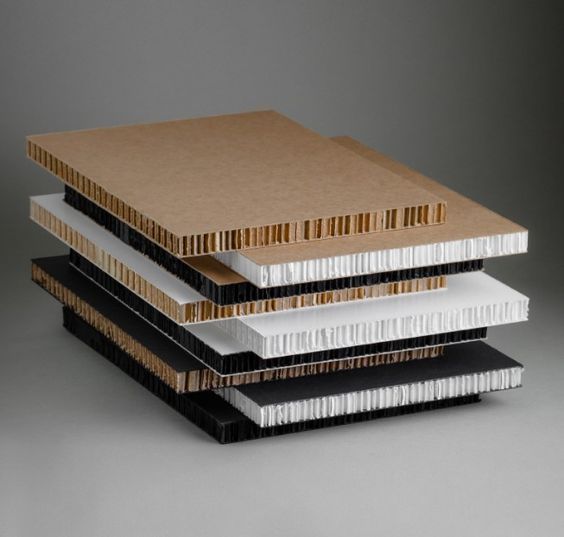
Honeycomb paper is a material with a structure similar to a beehive: hexagonal cells that increase load-bearing strength while reducing weight. Made mainly from kraft paper or recycled paper, honeycomb paper is durable and shock-absorbing, protecting goods during transport.
1. Properties of honeycomb paper
- Honeycomb structure: stacked hexagonal cells give the board stiffness and stability while keeping weight to a minimum.
- High strength: good load-bearing capacity, withstands impacts and does not deform easily.
- Easy to recycle: made of paper, so it is easily recycled and environmentally friendly.
2. Applications of honeycomb paper
Honeycomb paper is used in many fields, from packaging to furniture and construction:
Packaging:
- As a protective layer inside cartons, especially for electronics, ceramics and other fragile goods.
- As a frame for large cartons to increase load-bearing strength.
Furniture:
- As the core of cabinets, tables and doors to reduce weight while keeping them rigid.
- Furniture made with honeycomb cores is usually inexpensive, light, easy to move and suits modern interiors.
Construction:
- In partition panels and ceilings to reduce the weight of the structure while keeping it strong.
Other uses:
- In toys, decorations and temporary event structures, thanks to its light weight, ease of processing and eco-friendliness.
Honeycomb paper is an economical, eco-friendly solution for protecting goods and for reducing weight in furniture design.