
The Corrugated Packaging Industry Today: Trends and Challenges
The packaging industry is growing worldwide as demand for packing and protecting products rises – but it also faces new trends and challenges, from e-commerce to sustainability rules.
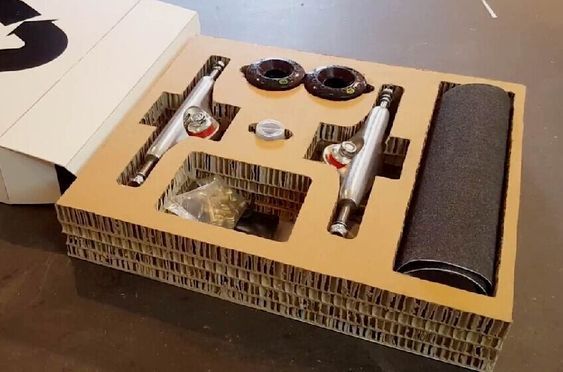
The packaging industry is growing strongly worldwide as demand for packing and preserving products keeps rising. At the same time, it faces many challenges and new trends:
1. Growing demand
- E-commerce growth: the boom in online retail has sharply increased demand for packaging that protects and ships products. Companies need packaging that not only protects goods well but is also optimised for transport.
- More pre-packaged consumer goods: modern lifestyles rely more on processed foods and pre-packaged consumer goods, creating large demand for packaging, especially food packaging.
2. The shift to eco-friendly packaging
- Recyclable and biodegradable packaging: governments and consumers care more and more about sustainable products, driving the growth of eco-friendly packaging. Recycled plastic, recycled paper and biodegradable packaging are increasingly preferred.
- Less single-use plastic: many companies and organisations have committed to reducing single-use plastic, pushing the packaging industry to develop alternatives such as paper, natural fibres and recyclable materials.
3. Technology innovation
- Advanced printing: today’s packaging is designed to stand out and reflect the brand. Technologies such as 3D printing, digital printing and flexographic printing help packaging manufacturers meet increasingly complex customer requirements.
- IoT and smart packaging: some packaging carries chips or QR codes to track goods from the manufacturer to the end consumer, improving supply-chain management and the customer experience.
4. Cost and quality challenges
- Rising raw material costs: prices of packaging materials, especially paper and plastic, fluctuate. This affects product prices and forces packaging companies to look for alternative materials or improve their production processes.
- Strict quality and safety requirements: food and pharmaceutical packaging must meet strict quality and safety requirements. Meeting international standards requires significant investment in technology and quality control.
5. Policy and regulation
- Environmental regulations: many countries have introduced strict policies to reduce plastic waste and require packaging to be recyclable or biodegradable.
- Green taxes and environmental fees: some countries tax packaging that is not environmentally friendly, encouraging companies to invest in more sustainable packaging.
Conclusion
The packaging industry today has big opportunities but also faces real challenges, above all the need to move to sustainable solutions. To grow sustainably, companies in the industry must adapt quickly and keep innovating to meet rising consumer expectations and environmental standards.